





With wellness becoming a key pillar in modern society, the everyday person is now more informed on calories, nutrients, and diets than ever before.
Low carb, keto, no sugar, low fat, raw, paleo, gluten-free, carnivore, plant-based, intermittent fasting, detox… just to name a few. You might have heard of or even tried some of these popular diets.
Some methods may help you curb or whet your appetite, but calories are not the only factor to consider when it comes to food.
Not all calories are made equal – some are ‘empty’, with few nutrients, vitamins, and minerals, while others are nutrient dense. Consuming sufficient calories without feeling physically hungry isn’t a fail-safe indicator of fuelling your body well.
What Is Hidden Hunger and Why It Matters for Your Health
If you eat regular meals, feel full, but are always tired or irritable, you may have hidden hunger.
Hidden hunger refers to a micronutrient deficiency1, such as low iron, zinc, or vitamin A, all of which can cause lower overall function.
In Singapore, it is common to focus on weight loss and reducing your food intake. But even if you’re consuming enough calories, it doesn’t mean you’re eating enough micronutrients.
Though it may sound obscure, over two billion people worldwide are affected by hidden hunger2. Developing countries and lower income households are not the only ones affected. Hidden hunger can impact anyone who follows a restrictive or low-nutrient diet3, including those in first world countries and affluent neighbourhoods.
Dr Marcus Lee, Family Physician and Designated Workplace Doctor at Fullerton Health says “Nutrition is about quality, not just quantity. Beyond how much or little you eat, pay attention to the nutrients your meals provide.”
The Health Risks of Vitamin and Mineral Deficiencies
Why Modern Diets May Cause Hidden Hunger

Although urban cities offer broader food varieties, busy lifestyles often rely on quick and easy food that is heavily processed and high in refined carbohydrates.
In Singapore, the 2022 National Population Health Survey reported that one in three Singapore residents have high blood pressure and three in 10 residents have high blood cholesterol4.
Regularly skipping breakfast can cause afternoon fog that makes you feel sluggish and unmotivated. This can lead to choosing convenience foods and eating the same meals throughout the week.
“Many working adults often turn to fast food and snacks for quick energy, but they may miss out on essential micronutrients found in whole foods like vegetables, fish, and legumes,” says Dr Michelle Lee, Medical Director at Fullerton Health.
Even health-conscious individuals who watch their diet and meal prep can have nutrient deficiencies if they eat the same foods frequently.
Essential Micronutrients Your Body Needs
There is a constant stream of supplements and vitamins on the market, but you can consume micronutrients through food by being more aware of what you eat.
Whether you’re eating outside or cooking at home, including multiple food groups on your plate can increase your micronutrient intake.
Even hawker dishes can be diverse and well balanced. Think chicken rice with a side of leafy greens, yong tau foo loaded with vegetables and tofu rather than fritters, fish soup, or the classic toast and eggs.
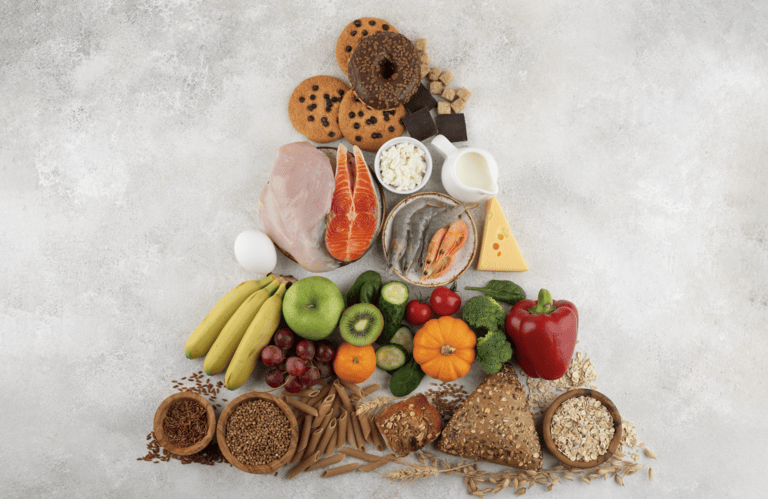
Take a look at these essential micronutrients and food examples to see what you’re missing:
- Iron: lean meat, tofu, spinach
- Calcium: dairy, tofu, leafy greens
- Vitamin D: salmon, eggs, fortified milk
- Magnesium: legumes, nuts, fruits
- Vitamin B12: fish, eggs, meat, dairy, nutritional yeast
- Folate: legumes, fruits, dark leafy greens
- Zinc: seafood, seeds, poultry
While sticking to the same balanced meal might sound healthy, it may contain limited micronutrients and can neglect specific groups such as folate or magnesium.
Simple Nutrition Tips to Prevent Hidden Hunger
Eating well doesn’t have to be complicated. Instead of worrying about tracking every single thing you put into your body, simply try these simple steps in your everyday life:
- Eat the rainbow. A spectrum of colours can provide a range of nutrients
- Choose whole foods over refined foods
- Plan balanced meals rather than snacking or skipping it altogether
- Add a side of protein and vegetables to hawker meals
- Stay hydrated as some vitamins require water or fats for optimal absorption
“You don’t need to overhaul your diet. Making small, sustainable dietary changes have a long-term impact that you can actually maintain,” says Dr Marcus Lee.
Taking the Next Step Toward Better Health
If you’ve noticed dips in your energy, mood, or performance and are unsure if it is related to hidden hunger, health screenings and blood tests can reveal deficiencies early.
You can act fast and prevent more severe health issues by understanding your nutrition levels to build a better, more balanced diet.
Fullerton Health’s integrated preventive care model offers complete care including GP consultations, health screenings and dietetic services to empower you to make smarter food choices.
“Following a balanced diet and getting regular health screenings will give you a better picture to make more informed decisions about your health,” says Dr Michelle Lee.
Now you know that good nutrition is not about eating less, but eating better.
References
- PubMed, The global challenge of hidden hunger: perspectives from the field. Available at https://pubmed.ncbi.nlm.nih.gov/33896431/ (Accessed 18 Nov 2025)
- The Food and Agriculture Organization, 2013 Conference. Available at https://www.fao.org/4/mg413e01/mg413e01.pdf (Accessed 18 Nov 2025)
- Global Hunger Index, Addressing the Challenge of Hidden Hunger. Available at https://www.globalhungerindex.org/issues-in-focus/2014.html (Accessed 18 Nov 2025)
- Ministry of Health Singapore, National Population Health Survey (NPHS) 2022 Report. Available at https://www.moh.gov.sg/others/resources-and-statistics/nphs-2022/ (Accessed 18 Nov 2025)