




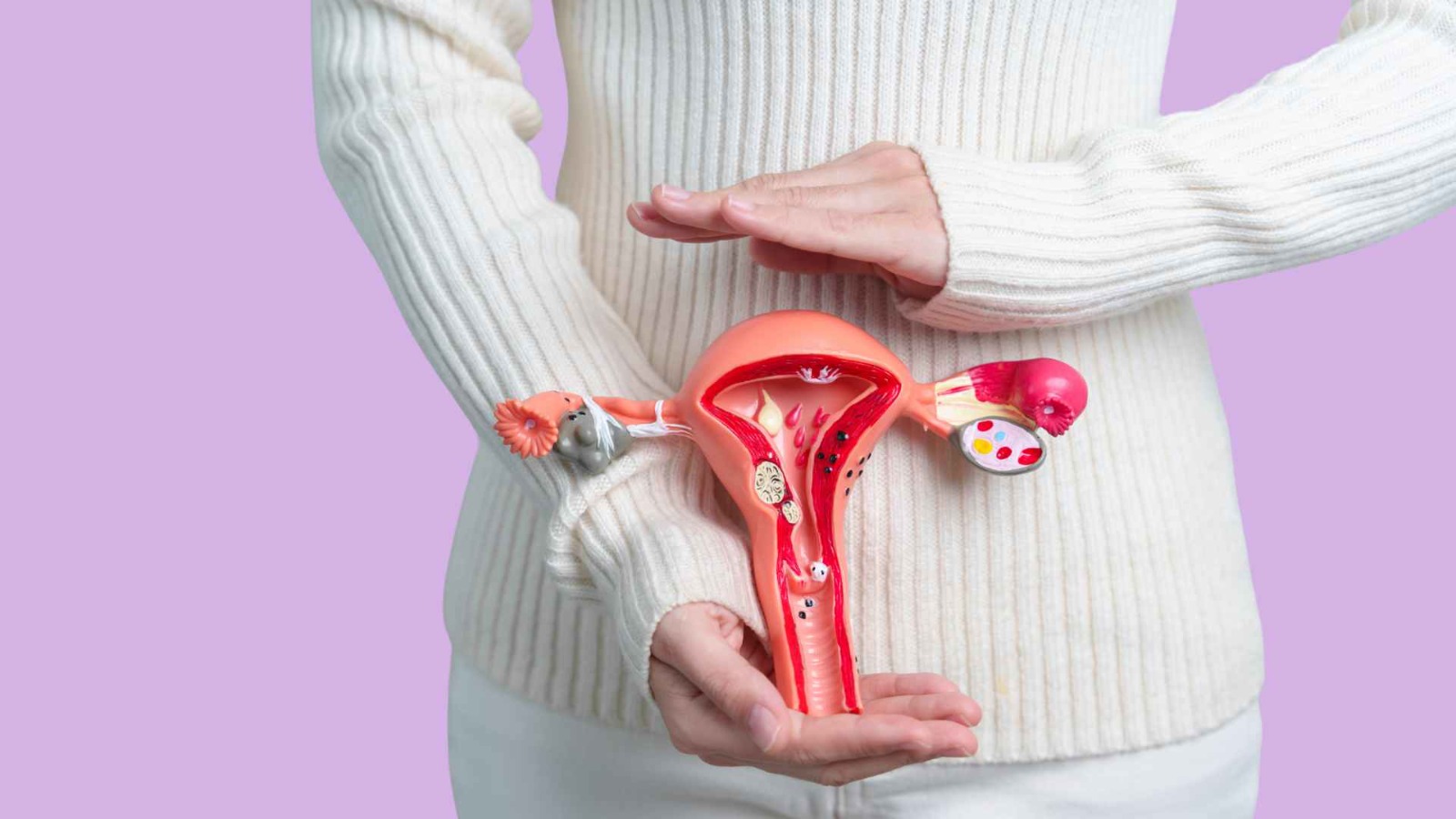
Gynaecologic cancers are cancers that occur in a woman’s reproductive organs. They include cervical, ovarian, endometrial (uterine), vaginal and vulvar cancers. Together, they make up a significant share of cancers affecting women in Singapore today. In fact, endometrial/ uterine cancer is the 4th most common cancer amongst Singaporean women, while ovarian and cervical cancers rank 5th and 10th respectively.
While these numbers may sound worrying, the good news is that these cancers, if detected early, can be treated effectively. With regular screening, vaccination, and healthy lifestyle choices, women can take charge of their health.
Gynaecologic cancers aren’t the only ones women should know about, though. Colorectal cancer also ranks among the most common cancers affecting women in Singapore, and its symptoms are often easy to brush off.
Here’s a closer look at each, along with the symptoms to be mindful of.
Cervical Cancer
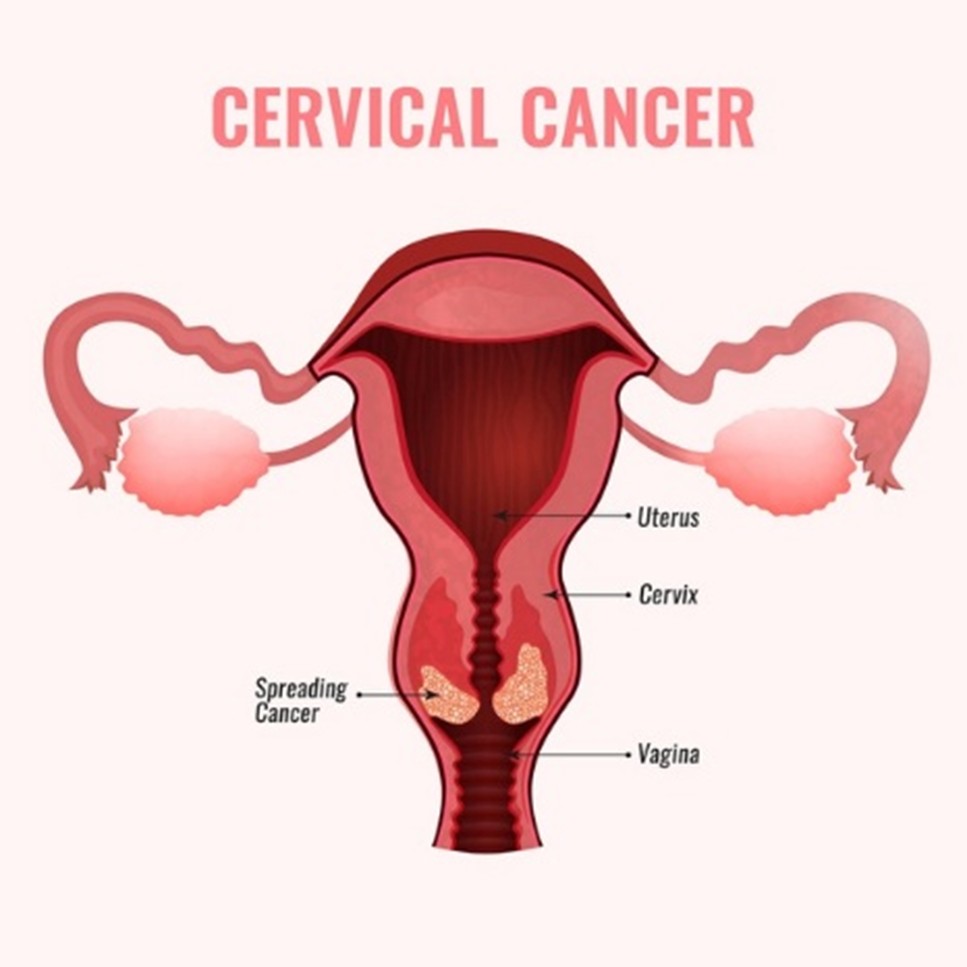
Cervical cancer is cancer of the neck of the womb, known as the cervix. It is one of the most preventable cancers, as it is usually caused by persistent infection with the human papillomavirus (HPV). Warning signs may include abnormal vaginal bleeding (such as after sex or between periods), unusual discharge, or pelvic pain.
The HPV vaccination offers strong protection, and regular Pap smears and HPV tests can detect early changes before they develop into cancer.
As part of the government’s effort to promote regular health screenings and encourage preventive care, Singapore Citizens (SCs) and Permanent Residents (PRs) aged 40 and above enrolled in the Healthier SG initiative will enjoy fully subsidised* cervical cancer screening. Speak to your GP to find out more!
*Only for eligible SCs. PRs will enjoy subsidised rates for cervical cancer screening.
Ovarian Cancer
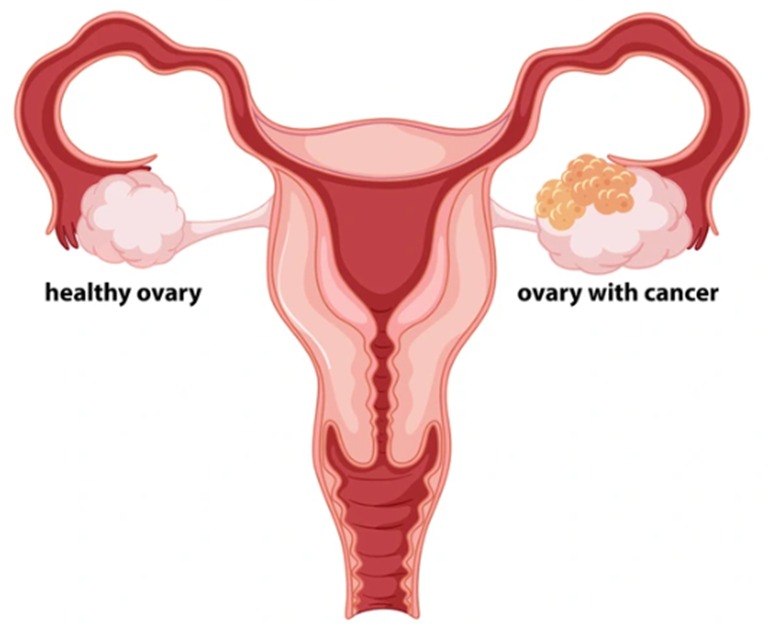
Ovarian cancer is cancer of the ovaries or fallopian tubes. It is often called the “silent killer” because it may not cause noticeable symptoms until the disease is more advanced. Women should pay attention to persistent bloating, abdominal or pelvic pain, loss of appetite, or frequent urination.
Currently, there is no reliable screening test for ovarian cancer, so being aware of symptoms and family history is crucial. Transvaginal ultrasounds are commonly utilised to diagnose patients. For patients with a high risk of ovarian cancer due to an inherited genetic syndrome such as Lynch syndrome, BRCA gene mutations, or a strong family history of breast and ovarian cancer, close monitoring might be warranted.
If you notice symptoms, see a gynaecologist promptly and schedule regular health check-ups, including pelvic exams.
Take charge of your health today with Fullerton Health’s Women’s Health Screening Plan, which offers comprehensive assessments to detect potential health issues early.
Endometrial cancer (Uterine cancer)
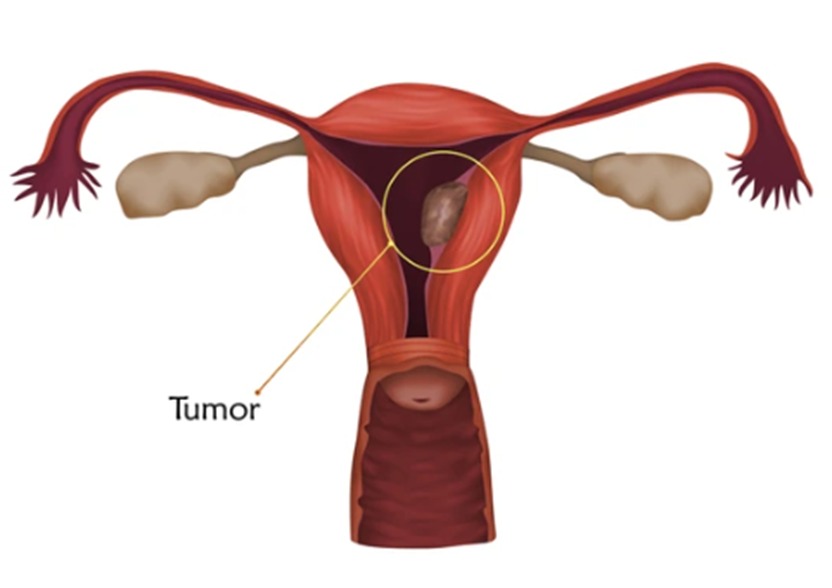
Endometrial cancer (uterine cancer) begins in the uterus and usually presents with abnormal vaginal bleeding, particularly after menopause. Unlike ovarian cancer, it is often detected early, with over 70% diagnosed at Stage I. This is because abnormal bleeding usually appears in the early stages, prompting women to seek medical attention and enabling timely treatment.
Other warning signs may include painful urination, pain during sex, or persistent pelvic pain.
Vaginal and Vulvar Cancers
Vaginal and vulvar cancers are rare, but it is still important to be aware of them. Vaginal cancer may cause abnormal bleeding, discharge, or pain during intercourse, while vulvar cancer may show up as persistent itching, pain, or sores that do not heal. Regular gynaecological check-ups help with early detection.
Colorectal Cancer
In Singapore, colorectal cancer is the second most common cancer affecting women. Even so, it is often overlooked in conversations about women’s health.
One reason is visibility. Colorectal cancer has traditionally sat outside the core of women’s health messaging, which has centred on gynaecological concerns. Another is the nature of its symptoms. Early signs tend to be mistaken for more ordinary issues.
Women may notice persistent tiredness, unexpected weight loss, recurring bloating, or shifts in bowel habits. Fatigue might be attributed to a demanding schedule or low iron. Bloating and digestive changes might be put down to diet, stress, or hormonal cycles. Because these explanations are familiar and reasonable, many women wait before consulting a doctor.
That’s why colorectal screening deserves a place alongside gynaecological screenings in a woman’s wider health check.
Healthy Habits to Lower Your Risk of These Cancers
While regular screening and vaccination are key, your daily lifestyle choices also play a big role in reducing the risk of cancers such as cervical, ovarian, endometrial, and colorectal cancer:
- Maintain a healthy weight – A balanced diet rich in fruits, vegetables, and whole grains, with less processed meat and regular physical activity, helps reduce the risk of endometrial, ovarian, and colorectal cancers.
- Quit smoking and limit alcohol – Smoking increases the risk of cervical cancer, while alcohol has been linked to various cancers.
- Practice safe sex – Using protection can reduce the risk of HPV infection, which is a major cause of cervical cancer.
- Know your family history – Share any family history of breast, ovarian, or uterine cancers with your doctor. This helps assess your risk and may guide earlier or more frequent screenings.
Your Best Defence Starts With You

These cancers may be common but you can take charge of your health. By paying attention to early warning signs, keeping up with regular screenings, and adopting healthy lifestyle habits, you can greatly reduce your risk.
If you have not done your health screening yet, now is the perfect time to take the first step towards prevention and peace of mind. Speak to your GP or explore Fullerton Health’s Women’s Health Screening Plan today. Find out more at: www.fullertonhealth.com/sg/services/executive-health-screening/womens-health-screening-plans/
References:
- National Cancer Institute Singapore (Accessed 22 April 2026)
- CNA Lifestyle (Accessed 21 April 2026)