





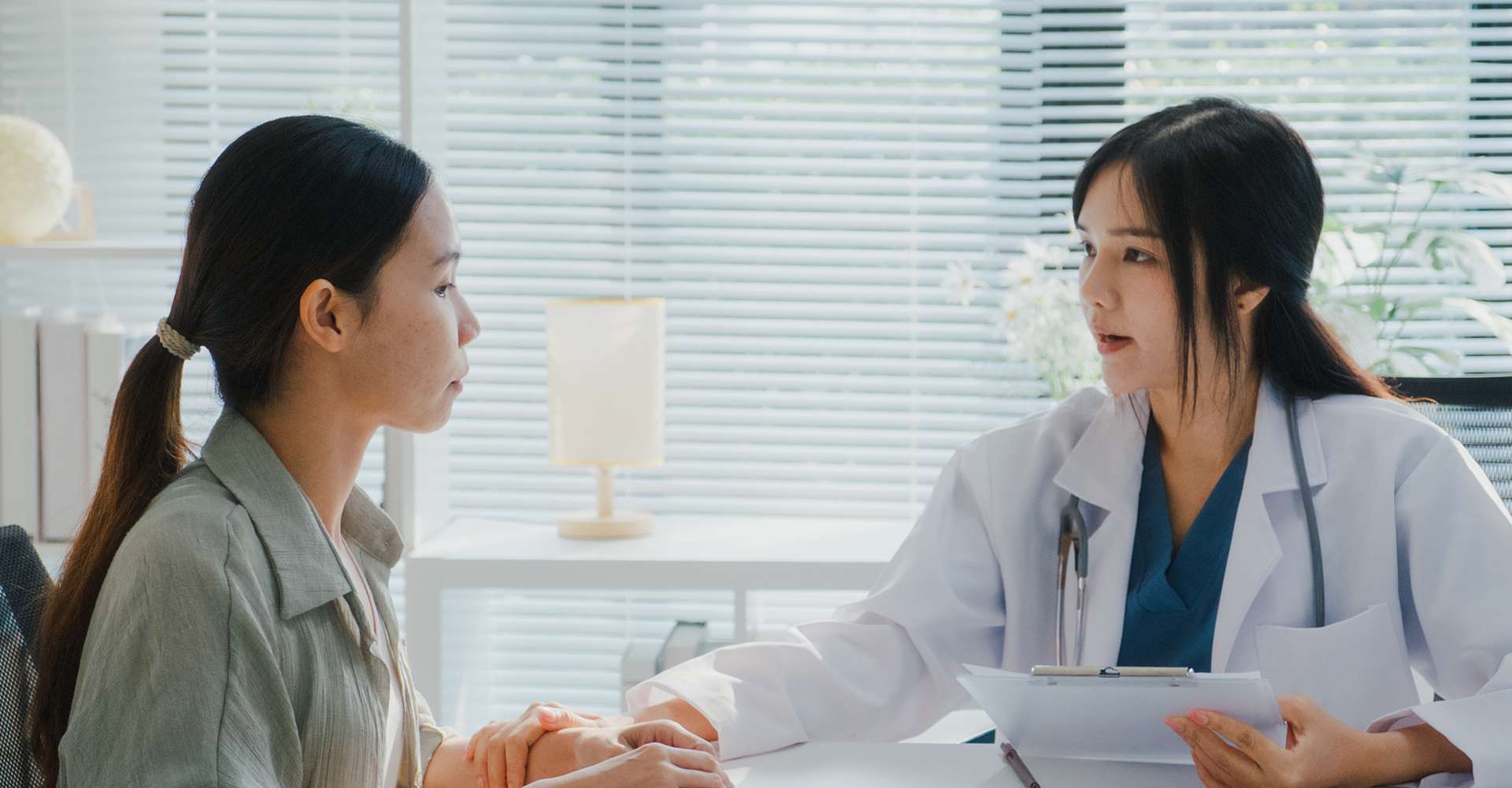
“It’s probably stress.”
“Maybe it’s hormonal?”
“Don’t overthink it.”
Every woman has heard at least one of these lines at some point. Often, they’re said with good intentions. Sometimes, reassurance just seems easier than digging deeper.
But when these responses become normalised, they teach women to downplay what they’re feeling. To wonder if they’re making too much of it. Over time, that hesitation can delay answers and, sometimes, care.
Encouragingly, the way we understand women’s health is changing. Research is becoming more inclusive. Clinical conversations are shifting towards listening and shared decision-making. There’s growing recognition that women’s bodies don’t always follow the same patterns medicine was built around.
This article explores how women’s symptoms have historically been misunderstood, how cultural expectations shape how women approach their own health, and how greater awareness is changing the way care is delivered.
Moving from Dismissal to Inclusivity

When women talk about having their symptoms minimised or explained away, the term “medical gaslighting” often comes up. While the phrase can sound confrontational, it rarely reflects malicious intent. More often, it points to a deeper, systemic issue that has shaped healthcare over time: gender bias.
Gender bias in medicine has been widely documented. Studies have shown that women are more likely than men to have their symptoms attributed to emotional or psychological causes, even when the pain or discomfort is physical1.
When we dismiss chronic pain or fatigue as stress-related or just part of everyday life, it’s hard to know when something warrants closer attention. For example, conditions such as endometriosis are frequently underdiagnosed2 because symptoms like chronic pelvic pain have historically been treated as “just part of being a woman”.
This is where change is happening.
“Many symptoms women experience don’t always show up clearly on tests at a single point in time,” shares Dr Michelle Lee, Medical Director at Fullerton Health Singapore. “That’s why listening carefully matters. We look at how long symptoms have been present, whether they’re recurring, and how they’re affecting daily life, from work and sleep to relationships. Those patterns often tell us far more than an isolated result.”
Women are also playing a more active role in these conversations. With better access to information and a stronger culture of shared decision-making, many feel more able to ask questions, seek clarification, and return for follow-up when reassurance alone doesn’t sit right.
Broadening Our Understanding of Women’s Health
In the early 1900s, women were often diagnosed with “hysteria”,3 a catch-all label for symptoms doctors couldn’t easily explain. The bias ran so deep it was built into the word itself. Hystera is Greek for uterus.
For decades, women’s bodies were seen as unpredictable, and medical research largely treated the male body as the default. Women were often excluded from clinical trials due to concerns about hormones or pregnancy,4 which meant diagnostic benchmarks and medication dosages were based largely on male physiology.
Heart disease offers a clear example of how this disparity plays out. In Singapore, approximately 1 in 3 women die from cardiovascular disease5, but somehow, it’s mostly seen as a “man’s disease”.
“Many women don’t experience what we traditionally describe as classic heart attack symptoms,” explains Dr Sheldon Lee, Consultant Cardiologist at Orchard Heart Specialist Clinic. “Instead of crushing chest pain, they may feel extreme fatigue, shortness of breath, nausea, or jaw pain. These symptoms can be subtle, which is why awareness, both among patients and clinicians, is so important for early detection and timely care.”
Encouragingly, growing research into gender-specific differences is improving how conditions are assessed and treated. Clinicians are becoming more attuned to how women’s symptoms may present differently.
Broadening our understanding of women’s health means learning from history without being defined by it, and embracing more inclusive research and care that reflects women’s lived experiences today.
Why Self-Care Isn’t an Indulgence

If you’re a woman, you probably know how easy it is to put yourself last.
Between work, family, and the invisible shifts women take on at home, getting by often means powering through fatigue and ignoring discomfort. Resilience is admired. Rest, less so.
This emotional load takes a toll. It might not register as stress, but it has real physical effects. Managing responsibilities, anticipating needs, and holding space for others creates chronic stress that can disrupt sleep, increase inflammation, and affect hormone regulation, even in women who appear to be coping well.
In this context, self-care can feel optional. Or worse — indulgent. Something to get to after everything else is done.
But from a medical perspective, caring for your health earlier and more consistently is a powerful form of prevention.
“Reframing self-care as preventive responsibility helps shift that mindset, says Dr Hong Lin Feng, Consultant Psychiatrist at Connections MindHealth. “Making time for health check-ins, addressing symptoms before they escalate, and understanding your baseline health can reduce the risk of more complex issues later on. It also supports sustained energy, focus, and resilience over the long term.”
The Long-Term Impact of Delaying Care
Timing is everything. Catching a problem early will always allow for a smaller course correction, especially in the case of cancer or cardiovascular disease where early detection can dramatically alter the path forward.
When symptoms are normalised for too long, diagnoses can be delayed, and chronic conditions can progress quietly in the background. There’s also the emotional cost; constantly second-guessing yourself or wondering if you should have acted sooner can chip away at confidence.
Clarity changes that. Even when results are unexpected, knowing what’s going on allows you to act. And acting brings a sense of control and relief.
Reclaiming Agency in an Imperfect System

Healthcare hasn’t always worked in women’s favour. But asking questions, seeking clarity, and prioritising preventive care are practical ways to reclaim agency in a system that’s still learning and evolving.
Care should help women feel informed and seen. “In practice, this means taking women’s concerns seriously, even when symptoms don’t fit your typical textbook definition,” explains Dr Michelle Lee.
“What we’re moving towards is listening for patterns over time, understanding personal baselines, and recognising how symptoms present differently for everyone. When women have that context, they’re better equipped to make calm, informed decisions about their health.”
With the support of Fullerton Health’s GP network and specialist panel, preventive health screenings help women better understand their health and respond to changes with confidence.
References
- The influence of gender stigma in the management of pain for women. Available at https://cdn.ps.emap.com/wp-content/uploads/sites/3/2025/10/251006-The-influence-of-gender-stigma-in-the-management-of-pain-for-women.pdf (Accessed 4 February 2026)
- Endometriosis in later life: an intersectional analysis from the perspective of epistemic injustice. Available at https://pmc.ncbi.nlm.nih.gov/articles/PMC11805771/ (Accessed 4 February 2026)
- Women And Hysteria In The History Of Mental Health. Available at https://pmc.ncbi.nlm.nih.gov/articles/PMC3480686/ (Accessed 5 February 2026)
- The gender gap in clinical trials: Why women are still underrepresented. Available at https://www.labiotech.eu/in-depth/women-clinical-trial/ (Accessed 5 February 2026)
- Heart Disease Statistics, Singapore Heart Foundation. Available at https://www.myheart.org.sg/health/heart-disease-statistics/ (Accessed 5 February 2026)