





As the year winds down and festive gatherings fill our calendars, many of us start thinking about our health — especially our blood pressure, cholesterol and sugar levels. While medications can be essential for some conditions, substantial research shows that lifestyle changes can significantly improve key health markers. These natural approaches can also enhance energy levels, sleep quality, and overall wellbeing.
Here are some strategies that you can start using today.
1. Lowering Blood Pressure (Hypertension)

a. Reduce sodium intake
Too much sodium causes the body to retain water, which raises blood pressure. Many people unknowingly consume 3,620mg of sodium, nearly twice the recommended daily limit of 2,000mg (equivalent to 1 teaspoon/ 5 grams)1, mostly from processed foods, sauces and hawker dishes. Choosing low-sodium options and flavouring food with herbs instead of salt are useful ways of reducing your daily salt intake.
b. Aim for 150 minutes of moderate intensity exercise weekly
Regular aerobic exercises such as brisk walking, jogging, swimming, or cycling help strengthen the heart and help maintain healthy function. Over time, this improved cardiovascular function helps maintain optimal blood pressure.
If you are just starting out, begin with something simple and sustainable such as a 15-minute walk every day, or a 20-minute slow jog at least three times a week. As you become more comfortable, gradually build up to the recommended 150 minutes of moderate-intensity exercise each week.
c. Manage stress levels
Chronic stress triggers the release of stress hormones such as cortisol and adrenaline, which can temporarily raise blood pressure by causing your heart to beat faster and your blood vessels to tighten. When stress becomes sustained, these repeated spikes can lead to high blood pressure.
Incorporating simple stress-management practices — such as deep breathing exercises, mindfulness meditation, stretching, listening to calming music, or taking short breaks during the day — can help your body stay relaxed and reduce the impact of stress on your cardiovascular system.
2. Lowering Blood Sugar (For Diabetes & Prediabetes)
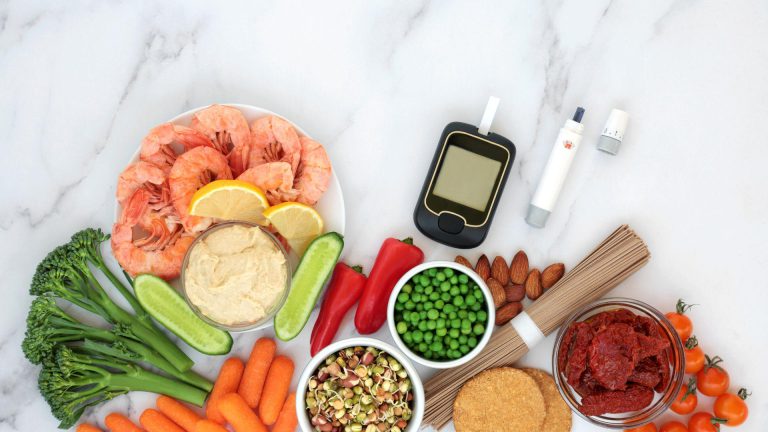
a. Choose low-glycaemic index (GI) carbohydrates
Not all carbohydrates affect the body the same way. Low-GI carbohydrates, such as whole grains, legumes, non-starchy vegetables, and many fruits, are digested and absorbed more slowly than high-GI carbohydrates. This slower release helps prevent sharp spikes in blood sugar after meals, supporting steadier energy levels and better long-term blood-sugar control.
b. Increase fibre intake, especially soluble fibre
Increasing dietary fibre (particularly soluble fibre) can help stabilise blood sugar levels by slowing the absorption of glucose into the bloodstream. This prevents sharp spikes after meals and supports better long-term glucose control.
Good sources include oats, barley, beans, lentils, apples, berries, chia seeds, and vegetables such as okra and broccoli. Aim for at least 25 – 30 grams of fibre per day, with a mix of soluble and insoluble types.
c. Keep consistent mealtimes
Irregular eating patterns can confuse the body’s glucose regulation, leading to swings in sugar levels. Eating meals at consistent times helps stabilise blood sugar and supports better appetite control.
d. Move after meals
A simple 10 – 15 minute walk after eating can reduce post-meal blood sugar levels by helping muscles take in and use glucose more effectively. This “post-meal walk” is especially effective after heavy meals.
3. Improving Cholesterol Levels
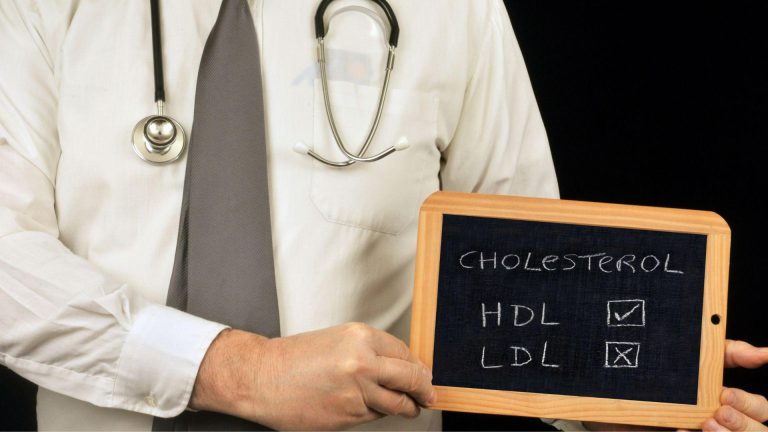
a. Increase soluble fibre intake
b. Replace saturated fats with healthier fats
Instead of butter, lard, cream, and fatty cuts of meat, choose healthier fat sources such as olive oil, nuts, seeds, avocados, and oily fish (salmon, mackerel, sardines). These foods are rich in unsaturated fats — the type of fat that helps increase High-Density Lipoprotein (HDL), also known as “good cholesterol”, while reducing LDL. This combination supports better heart health and overall cardiovascular function.
Even with healthier options, balance is still important. Unsaturated fats are beneficial, but they are also calorie-dense, so remember to enjoy them in moderation as part of a well-rounded diet.
c. Exercise regularly
Aerobic exercises like brisk walking or cycling help lower triglycerides and increase HDL cholesterol. Even 20–30 minutes of movement daily can create noticeable improvements over time.
d. Quit smoking
Smoking damages the walls of blood vessels and lowers HDL (“good cholesterol”), making it easier for LDL to build up and form harmful plaques. Quitting smoking improves circulation almost immediately, and within weeks, HDL levels start to rise. Over time, the risk of heart attack and stroke drops significantly as cholesterol balance and blood vessel health improve.
The festive season is a great time to reflect on our health and make small adjustments. Whether it’s choosing healthier foods, walking more, or cutting back on salt and alcohol, every positive choice contributes to better long-term wellbeing. Carry these habits beyond the holidays for a healthier year ahead.
Before the festive feasting begins, take a moment to prioritise your health. If you are due for your health screening, now is an ideal time to get it done!
A simple check today can help you start the new year informed, prepared, and confident about your health.
Disclaimer
The information in this article is intended for general education and should not be considered a substitute for professional medical advice, diagnosis, or treatment. Always consult your doctor or a qualified healthcare professional before making significant lifestyle changes or if you have existing medical conditions.
References
- Healthhub.sg. (2022). Reduce Your Salt And Sugar Intake. [online] Available at: https://www.healthhub.sg/programmes/nutrition-hub/eat-less/#sugar [Accessed 4 December 2025]
- Mayo Clinic (2018). Can eating certain foods help improve your cholesterol levels? [online] Mayo Clinic. Available at: https://www.mayoclinic.org/diseases-conditions/high-blood-cholesterol/in-depth/cholesterol/art-20045192. [Accessed 3 December 2025]