





“Cancer remains the leading cause of death in Singapore, accounting for about a quarter of all deaths in 20231, and our urban lifestyle is quietly fueling the rise. Longer lifespans2 aren’t translating into healthier lives, and many of the risks we face are hiding in plain sight: in our diets, our work schedules, and our everyday stress.
In this article, Fullerton Health explores what the latest trends mean for early detection of cancer in Singapore, and how work culture, lifestyle habits, and even genetics contribute to cancer risks.
Cancer in Singapore: A Growing Public Health Concern
More than 6,000 people in Singapore die from cancer each year3, and local statistics show that 1 in 4 Singaporeans will develop cancer in their lifetime. This figure continues to climb. The most common cancers in Singapore for men remain colorectal, prostate, and lung cancers. For women, it’s breast, colorectal, and lung cancers.
Recent reporting from the Singapore Cancer Registry4 also points to a clear rise among younger people: cancer diagnoses among those under 40 increased 34% in 2019–2023 compared with 2003–2007, with the fastest increases under 50 seen in men aged 30–39 and women aged 40–49.
In a society where professional demands often take precedence over personal wellbeing, this reminder becomes even more pertinent: Cancer doesn’t discriminate, not by age, status, or how “healthy” we feel. That’s why regular screenings shouldn’t be something we save for later in life.
But there’s good news. Despite more people being diagnosed with cancer, fewer are dying from it. Data from the National Registry of Diseases Office shows that cancer mortality in Singapore has fallen by 21% since 20125. According to Tham Chee Kian, Deputy Chairman of National Cancer Centre Singapore’s medical oncology division, this decline is attributed to medical advances in cancer detection, diagnosis and treatment. For example, breast cancer detected at Stage I has a five-year survival rate of over 90%6. Likewise, colorectal cancer outcomes improved significantly when discovered through routine screening. But despite the success of early screenings, participation rates remain low.
“Many Singaporeans don’t realise how much of their health is shaped by everyday choices: the meals we grab, hours we sit, and stress we carry,” says Dr Marcus Lee, Family Physician and Designated Workplace Doctor at Fullerton Health Singapore. “The earlier we address these risks through prevention, the more years of healthy living we gain back.”
Lifestyle vs. Genetics: What Increases Cancer Risk?
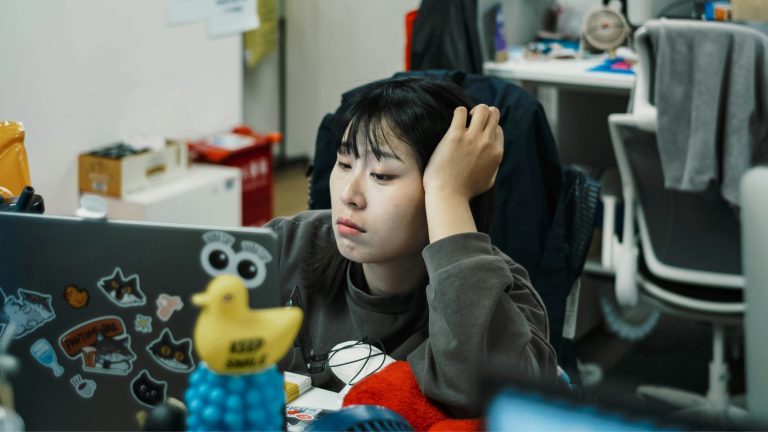
According to the World Health Organization (WHO), up to 50% of cancers are preventable through lifestyle changes7. But many of Singapore’s urban lifestyle habits increase cancer risk without us realising it.
- Long Working Hours and Chronic Stress: Singaporeans work an average of 44.3 hours a week8 – many far more. The WHO links long hours to higher risks of chronic diseases, including cancer. Nearly half of workers here report being mentally or physically exhausted.
- Diets High in Sodium and Fat: Hawker food is a cultural staple, but 9 in 10 Singaporeans exceed daily sodium salt limits, almost double the WHO recommendation. Diets rich in sodium, processed foods, and sugar are linked to increased cancer risk, particularly for colorectal and stomach cancers.
- Burnout and Poor Lifestyle Coping: 1 in 3 working adults here report burnout symptoms, and stress often triggers unhealthy coping behaviours. Skipping meals, smoking, alcohol use, and poor sleep become quick fixes in a fast-paced lifestyle. Over time, these “urban kryptonites” quietly weaken immune defences and reduce the body’s resilience against disease, including cancer.
We can’t deny that genetics also factor in. In Singapore, studies indicate that 5% to 10% of cancers are inherited9, meaning individuals with a family history may face higher risks. But genetic predisposition is not the same as inevitability. We still have significant control over our outcomes.
Choosing nutrient-rich meals, staying active, managing stress, and prioritising regular cancer screenings are all ways to reduce modifiable risks, even in the presence of a genetic one.
“Taking personal responsibility for your health is essential,” says Dr Michelle Lee, Medical Director at Fullerton Health Singapore. “Being proactive about regular health screenings empowers you to detect potential medical conditions early, make informed decisions on treatment plans, and take control of your well-being. This proactive approach can lead to a longer, healthier, and more fulfilling life.”
Why Screening and Stage at Diagnosis Matter
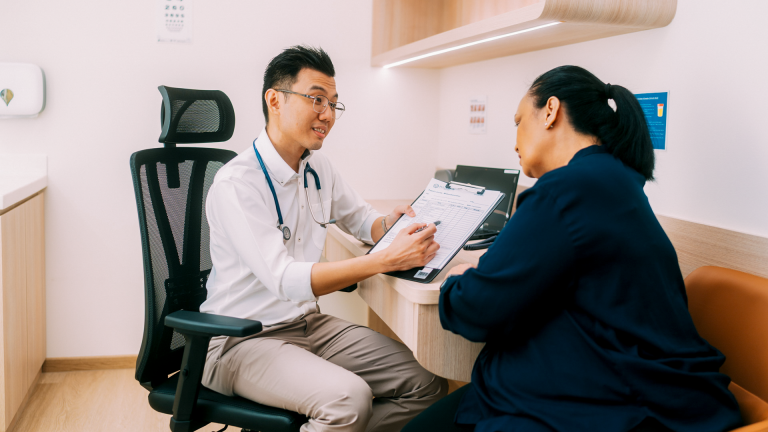
The rise in cancer among younger adults changes the stakes for prevention and early detection. While cancer is still more common in older adults, clinicians are seeing faster increases in age-specific incidence among those under 50, especially men in their 30s and women in their 40s.
It also challenges a common assumption: that younger people can afford to wait. “Mortality rates for some early-onset cancers are actually higher because these cancers are detected at more advanced stages in younger people,” says Dr Michelle Lee. Early detection is not just a clinical advantage. It is a practical one: catching cancer earlier often means more treatment options, less intensive care, and better outcomes.
This is why screening uptake matters, even for people who feel well and are busy with work and family life. Dr Eileen Poon, Medical Lead of the Adolescent and Young Adults Oncology Programme at the National Cancer Centre Singapore, points to a wider trend: “People under 50 are the only age group to experience sustained increases in cancer incidence since 1995.” In other words, the “later” many people plan for may not arrive in time.
At a system level, Singapore’s cancer strategy continues to emphasise prevention and early detection as core levers to reduce incidence and mortality. But for individuals, the takeaway is simple: screening is not something to postpone until a milestone birthday. It is part of protecting the life you are actively building.
Going From Awareness to Action

As cancer patterns change, our approach to screening needs to change too. While cancer is still more common later in life, doctors in Singapore are seeing more younger adults diagnosed, often at more advanced stages. One reason is simple: many people don’t think screening applies to them yet.
Feeling healthy isn’t the same as being risk-free. Busy schedules, work stress, and family commitments mean screening often gets pushed down the list. Symptoms are brushed off. Check-ups get delayed. By the time cancer is detected, treatment can be more complex.
This reality has come through in conversations on Health Unfiltered, a Fullerton Health podcast. In one episode, a guest shares about a stage 4A cancer diagnosis at 29 — a time when she was newly-married and planning a family. Cancer had arrived with no obvious warning signs.
“Screening isn’t about age alone,” says Dr Michelle Lee. “Your family history, lifestyle, and existing health conditions all play a role. Understanding your personal risk helps you act earlier, when it makes the biggest difference.”
Screening gives you clarity. It helps catch problems early, when treatment is more effective and recovery is easier. More importantly, it supports what preventive care is really about: protecting your health before illness takes hold. After all, what is a personal or professional milestone worth if illness takes away the years meant to enjoy it?
Protect the Life You’ve Worked Hard to Build
At Fullerton Health, we believe prevention is powerful, and possible. Our range of preventive screening packages are designed for every stage of life, whether you’re taking the first step or managing known risks.
References:
- Health Hub Singapore, Principal Causes of Death. Available at https://www.healthhub.sg/support-and-tools/statistics-on-healthcare/principal-causes-of-death (Accessed 26 September 2025)
- Life expectancy of Singapore’s population rises in 2024, marking improvement over Covid-19 years. Available at https://www.straitstimes.com/singapore/life-expectancy-of-singapores-population-rises-in-2024-marking-improvement-over-covid-19-years (Accessed 26 September 2025)
- Ratio of cancer deaths to new cases of cancer in Singapore comparable to other countries. Available at https://www.moh.gov.sg/newsroom/ratio-of-cancer-deaths-to-new-cases-of-cancer-in-singapore-comparable-to-other-countries (Accessed 26 September 2025)
- Singapore Cancer Registry Annual Report 2023. Available at https://www.nrdo.gov.sg/publications/cancer (Accessed 30 January 2026)
- Decline in Singapore’s number of cancer deaths despite increase in cases. Available at https://www.straitstimes.com/singapore/health/decline-in-singapores-number-of-cancer-deaths-despite-increase-in-cases (Accessed 2 February 2026)
- Cancer Research UK, Survival for breast cancer. Available at https://www.cancerresearchuk.org/about-cancer/breast-cancer/survival (Accessed 26 September 2025)
- World Health Organization, Cancer Fact Sheet. Available at https://www.who.int/news-room/fact-sheets/detail/cancer (Accessed 26 September 2025)
- Ministry of Manpower, Summary Table: Hours Worked. Available at https://stats.mom.gov.sg/pages/hours-worked-summary-table.aspx (Accessed 27 September 2025)
- National Cancer Institute, BRCA Gene Changes: Cancer Risk and Genetic Testing. Available at https://www.cancer.gov/about-cancer/causes-prevention/genetics/brca-fact-sheet (Accessed 27 September 2025)