






Between work commitments, family responsibilities, and the daily hustle, many fathers tend to place their own health at the bottom of the priority list. It is common to hear phrases like “I’m too busy” or “I’ll go for a check-up later.” However, small consistent habits can make a meaningful difference to long-term health and wellbeing.
This Father’s Day, here are five simple and realistic health habits that busy dads can start today without needing a major lifestyle overhaul.
1. Start with Quick Workouts
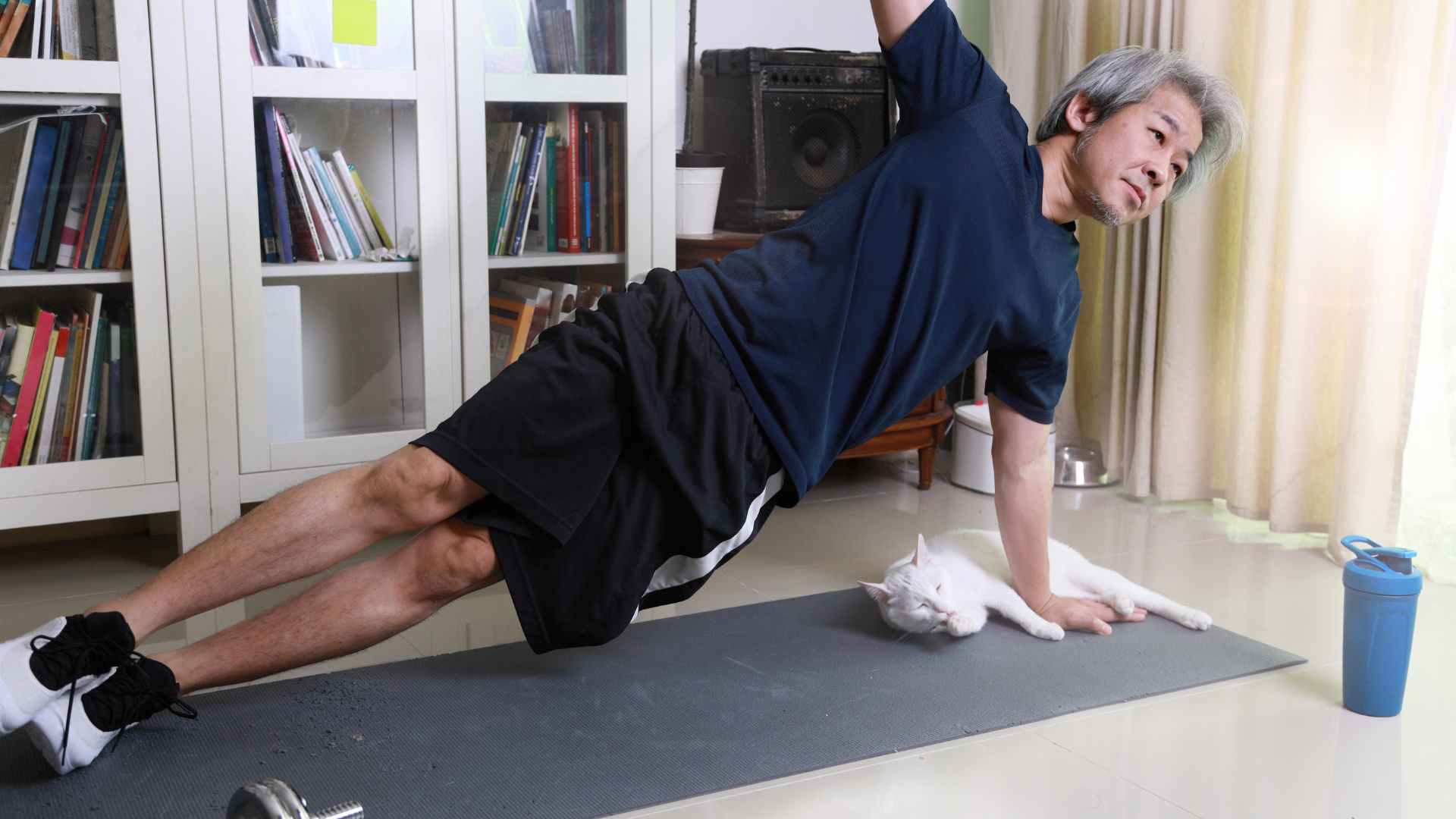
Exercise does not always need to mean spending hours in the gym. In fact, workout consistency and intensity often matter more than duration. Consider these time-saving strategies:
- Active Commuting & Daily Habits: Integrate movement into routines you already do. Taking the stairs, pacing during phone calls, or parking further away from entrances can all contribute to your daily physical activity levels.
- High-Intensity Interval Training (HIIT): A 10 to 15-minute HIIT workout can fit into your morning routine without throwing off your schedule. A good routine combines cardio, strength training, and flexibility exercises to provide an efficient full-body workout.
- Compound Strength Exercises: Focus on multi-joint exercises such as squats, push-ups, and deadlifts. These movements engage multiple large muscle groups at once, allowing you to complete an effective workout in a shorter amount of time.
Aim for at least 150 minutes of moderate-intensity aerobic activity or 75 minutes of vigorous-intensity aerobic activity each week, along with muscle-strengthening activities on two or more days weekly, as recommended in the Singapore Physical Activity Guidelines.
If you have any medical concerns or underlying health conditions, please consult your doctor before starting a new exercise programme.
2. Prioritise Healthier Everyday Food Choices

Healthy eating does not have to be complicated or restrictive. Small changes to daily meals can help reduce the risk of chronic conditions such as diabetes, high blood pressure, and heart disease.
Here are some simple ways to make meals healthier:
- Choose Healthier Snack Options: Instead of potato chips or preserved snacks, opt for unsalted nuts, fruits, or vegetables.
- Replace Saturated Fats with Healthier Fats: Instead of butter, lard, cream, and fatty cuts of meat, choose healthier fat sources such as olive oil, nuts, seeds, avocados, and oily fish like salmon, mackerel, and sardines.
- Include More Wholegrains: Having wholegrain foods in place of refined grains makes you feel full for longer, which helps prevent overeating. Having wholegrains as part of your meal plan can also help lower the risk of chronic diseases such as heart disease and diabetes.
- Use Healthier Cooking Methods: Choose cooking methods such as boiling, steaming, stir-frying, or grilling instead of deep-frying.
- Make Water your Drink of Choice: Choose beverages with little or no added sugar, such as plain water, tea, or coffee without added sugar. Adding mint leaves or fruit slices can provide a refreshing low-calorie flavour boost.
Healthy habits built over time often have a greater impact than short-term diets.
3. Don’t Sacrifice Sleep

Many adults underestimate the importance of sleep, especially when balancing work and family responsibilities. Poor sleep can affect concentration, mood, immunity, and long-term health.
The National Sleep Foundation recommends that adults aged above 18 years old should aim for at least seven hours of sleep each night.
Here are some simple ways to improve sleep quality:
- Keep a regular sleep schedule
- Keep your bedroom quiet, relaxing, and at a comfortable cool temperature
- Turn off electronic devices at least 60 minutes before bedtime
- Avoid large meals and alcohol before bedtime
- Avoid caffeine in the late afternoon or evening
- Exercise regularly and maintain a healthy diet
Sometimes, better rest can improve productivity and wellbeing more than pushing through exhaustion.
4. Don’t Delay Health Screenings

Many health conditions develop quietly without obvious symptoms. High blood pressure, diabetes, and high cholesterol are common examples.
Regular health screenings help identify problems early and allow individuals to take action sooner. Preventive care becomes increasingly important as men grow older.
Preventive care is one of the simplest ways to stay healthy and active for loved ones in the years ahead. If you are due for a health screening, now is a good time to schedule one.
This Father’s Day, take the opportunity to prioritise your health or show your care for a loved one. Check out our specially curated Father’s Day health screening packages and wellness products available on the Fullerton Health Marketplace.
5. Make Time for Stress Management
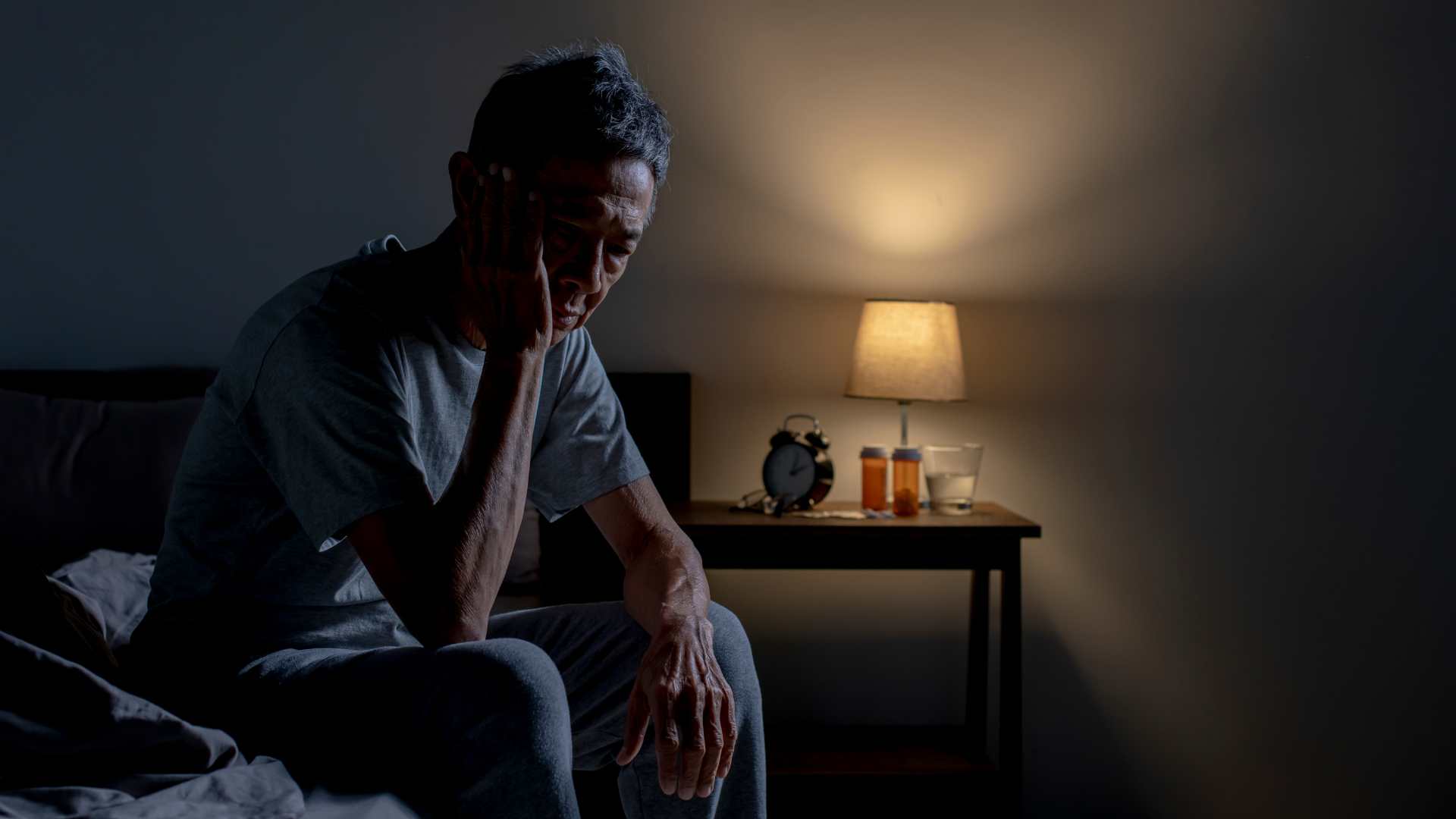
Many fathers juggle multiple responsibilities, from work pressures and financial commitments to caregiving and family responsibilities. While stress is a normal part of life, ongoing unmanaged stress can affect both physical and mental wellbeing.
Stereotypes and societal expectations may also make it harder for men to openly discuss their emotional struggles. As a result, many delay seeking support even when they are struggling emotionally.
Dr Jared Ng from Connections MindHealth shares that a combination of medication, therapy, and self-care strategies can significantly help alleviate depressive symptoms. Access to quality counselling, psychotherapeutic support, and appropriate medical treatment can play an important role in managing mental health conditions.
Simple stress-management habits can include:
- Taking breaks when needed
- Staying socially connected
- Exercising regularly
- Talking openly about stress
- Making time for enjoyable activities
- Seeking professional help when stress or emotional difficulties become overwhelming
Looking after mental wellbeing is not a sign of weakness, it is an important part of overall health and resilience.
A Healthier Future Starts with Small Steps
Being healthy does not require drastic changes overnight. Often, the most sustainable improvements come from small daily habits practiced consistently.
Fun fact: Research suggests that it takes, on average, about 66 days for a new behaviour to become automatic.1
This Father’s Day, perhaps the best gift dads can give themselves and their families is to take one small step toward better health, starting today.
Disclaimer
The information in this article is intended for general education and should not be considered a substitute for professional medical advice, diagnosis, or treatment. Always consult your doctor or a qualified healthcare professional before making significant lifestyle changes or if you have existing medical conditions.
References:
- Gardner, B., Lally, P. and Wardle, J. (2012). Making health habitual: The psychology of ‘habit-formation’ and general practice. British Journal of General Practice, 62(605), pp.664–666. Available at: https://doi.org/10.3399/bjgp12x659466. [Accessed 29 May 2026]
- Health Promotion Board. (2022). Singapore physical activity guidelines. HealthHub. [online] Available at: https://www.healthhub.sg/programmes/letsmoveit/singapore-physical-activity-guidelines [Accessed 29 May 2026]
- Nutrition Hub. [online] Available at: https://www.healthhub.sg/programmes/nutrition-hub#home [Accessed 29 May 2026]
- Hirshkowitz, M., Whiton, K., Albert, S. M., Alessi, C., Bruni, O., DonCarlos, L., Hazen, N., Herman, J., Katz, E. S., Kheirandish-Gozal, L., Neubauer, D. N., O’Donnell, A. E., Ohayon, M., Peever, J., Rawding, R., Sachdeva, R. C., Setters, B., Vitiello, M. V., Ware, J. C., & Adams Hillard, P. J. (2015). National Sleep Foundation’s sleep time duration recommendations: Methodology and results summary. Sleep Health, 1(1), pp.40–43. doi: https://doi.org/10.1016/j.sleh.2014.12.010. [Accessed 29 May 2026]