The Silent Checklist: Essential Health Screenings Every Man Needs
Men’s health risks often start quietly. You may feel perfectly fine but hidden threats like heart disease, prostate cancer, and low testosterone can be building up long before symptoms appear.
October 31, 2025
Beyond Benefits: Building a Health-First Company Culture
The health of a workforce has become one of the clearest predictors of organisational resilience. Companies that place wellbeing at the centre of their culture are better equipped to thrive. Those who don’t, risk falling behind. At Fullerton Health, we see this not as a passing HR trend, but as a structural shift in how organisations build resilience and long-term competitiveness.
October 2, 2025
Fullerton Health: The Nutrition Connection – How Overeating Fuels Diabetes Risk
At its core, nutrition is about providing your body with the right balance of energy (calories) and nutrients (proteins, fats, carbohydrates, vitamins, minerals, water) to support growth, repair, and day-to-day function. When we eat, our body uses a portion of the energy for immediate activities. If we consistently consume more energy than needed, the surplus is stored—primarily as fat.
October 2, 2025
Fullerton Health: Stay Hydrated, Singapore (Water is Your Best Refreshment)
Water is the foundation of good health. In Singapore, where we combat heat and humidity, making a conscious choice to stay hydrated is essential. Information from the Ministry of Health (MOH) and the Health Promotion Board (HPB) emphasizes the simple, yet vital, role of water in maintaining well-being and managing the risk of non-communicable diseases.
October 2, 2025
Feeling Fine? Here’s Why Preventive Health Screening Still Matters
In Singapore’s fast-paced society, many of us push our health to the backseat — juggling work, family, and everything in between.
September 16, 2025
5 Simple Habits for a Healthier Heart
Did you know that cardiovascular disease accounted for 30.5% of all deaths in Singapore in 2024? That means almost 1 in 3 deaths was due to heart disease or stroke1. Early diagnosis and treatment can save lives, improve quality of life in the early stages, and even slow the progression of related conditions that share […]
September 12, 2025
Beyond the Clinic: Reimagining Chronic Disease Care for Everyday Life
Chronic diseases like diabetes, high blood pressure, and high cholesterol are no longer limited to older adults. In Singapore, these conditions increasingly affect working-age individuals — and the numbers are rising fast.
July 29, 2025
Your Guide to Moving Well: Joint and Movement Care for Active Singaporeans
In recent years, the rising popularity of marathons, fitness competitions, and exercise classes has introduced most people to some form of physical activity.
July 29, 2025
Bonding Through Wellness: Maintaining A Healthier Lifestyle Together
As a father, you've spent many years looking after your family. Now that your children are grown, this new stage of life offers a chance to focus on your health — and reconnect with them in a different way.
June 6, 2025
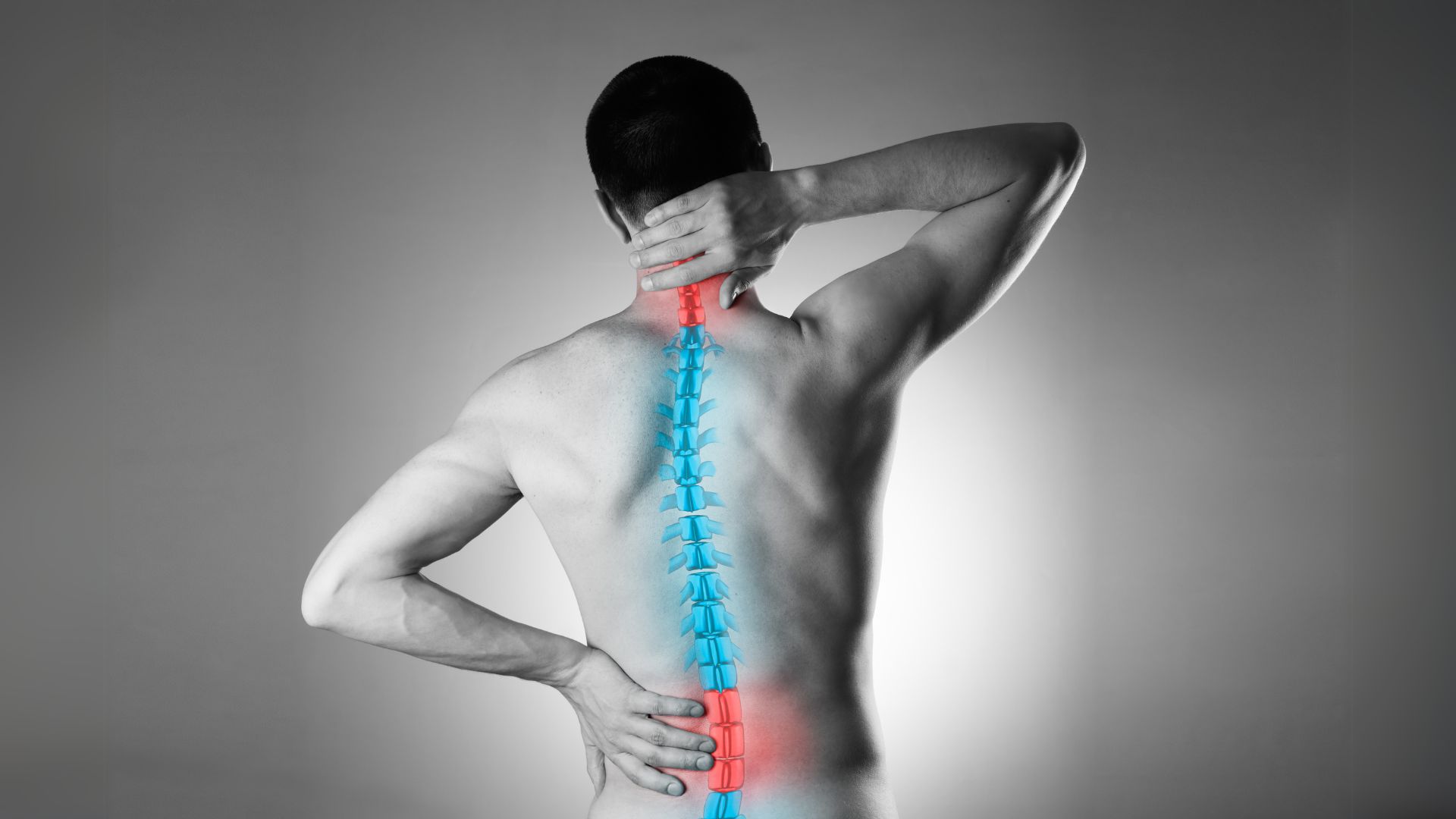
Understanding Scoliosis in Adulthood: What You Need to Know
Whilst most people associate scoliosis with children or teenagers, scoliosis can actually develop – particularly after the age of 40 – and it is more common than many people realise.
June 6, 2025